Condition7 min read
Gastroesophageal reflux disease
GERD
A chronic condition in which stomach contents repeatedly flow back into the oesophagus, causing heartburn, regurgitation and other bothersome symptoms that can lead to complications. It often improves with lifestyle changes and medicines, and sometimes surgery.
The NIDDK distinguishes between occasional reflux (GER), which is common, and the disease (GERD) when reflux causes frequent troublesome symptoms or complications; it affects about 20% of the US population. Risk is raised by obesity, pregnancy, smoking, some medicines and hiatal hernia. Its complications include oesophagitis, stricture, Barrett oesophagus and oesophageal adenocarcinoma, and extra-oesophageal symptoms such as chronic cough, hoarseness and tooth enamel erosion.
The disease results from weakness or improper relaxation of the lower oesophageal sphincter. Upper endoscopy is used (to detect complications or other causes) and oesophageal pH monitoring (the most accurate for detecting acid and confirming the diagnosis or following treatment). Treatment: lifestyle changes, antacids, H2 blockers and proton pump inhibitors (PPIs), which heal the oesophageal lining in most patients, and fundoplication, bariatric surgery or endoscopic procedures (NIDDK).
In one minute123
- What is it?
- Frequent backflow of stomach contents into the oesophagus.
- Who is usually affected?
- People who are overweight, pregnant women, smokers, and those who take certain medicines.
- Acute or chronic?
- Chronic, controlled by treatment.
- Main symptoms
- Heartburn, regurgitation of food or acid, chest pain, nausea, difficulty swallowing, chronic cough, hoarseness.
- Red flags?
- Yes: difficulty swallowing, vomiting blood, black stools, weight loss.
- Preventable?
- Lose weight, raise the head of the bed, quit smoking, and adjust the diet.
What is it?
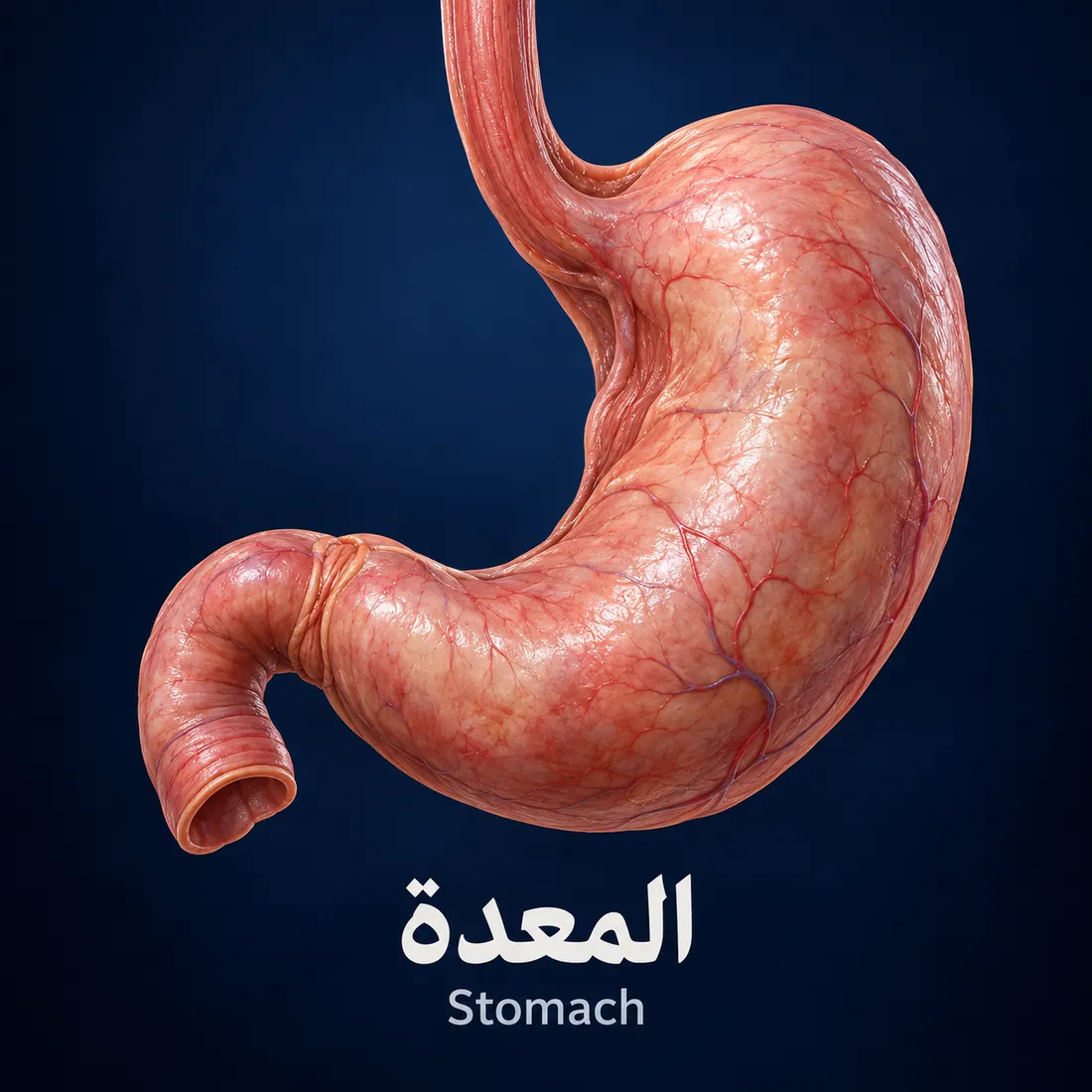
According to the NIDDK: gastroesophageal reflux (GER) is the return of stomach contents into the oesophagus, and many people experience it occasionally without symptoms or with heartburn. It becomes a disease (GERD) when it causes frequent troublesome symptoms or complications over time, and it affects about 20% of people in the United States. The NHS (heartburn and acid reflux) defines it as a burning feeling in the chest caused by stomach acid travelling up towards the throat, and when it persists it is called GORD.
Causes
The lower oesophageal sphincter normally prevents stomach acid from rising; the disease occurs when it weakens or relaxes improperly. Factors (NIDDK): being overweight or obese, pregnancy, smoking or second-hand smoke, certain medicines (benzodiazepines, calcium channel blockers, non-steroidal anti-inflammatory drugs, some asthma medicines, tricyclics), and hiatal hernia.
The NHS also lists triggers: coffee, tomatoes, alcohol, chocolate, fatty and spicy foods, stress and anxiety, hormonal changes, and a stomach ulcer or bacterial infection.
Symptoms
According to the NIDDK: heartburn (a painful burning in the middle of the chest), regurgitation of stomach contents into the throat or mouth, chest pain, nausea, difficulty or pain on swallowing, and chronic cough or hoarseness. Not everyone affected has heartburn or regurgitation.
The NHS lists a sour taste, hiccups, hoarseness, bad breath and bloating, and symptoms are worse after eating, lying down or bending over.
How is it diagnosed?
Upper endoscopy (a flexible tube with a camera) to examine the oesophagus, stomach and duodenum and take biopsies, used “to check for complications of GERD or other problems that may be causing symptoms”. Oesophageal pH monitoring is “the most accurate way” to detect stomach acid in the oesophagus and is used to confirm the diagnosis or see whether treatment has worked, with a thin catheter through the nose or a wireless capsule (NIDDK).
Treatment
The treatment categories usually used are listed here; this is not a prescription. The doctor chooses the plan according to each person's condition; do not change any medicine or dose without a specialist.
Lifestyle according to the NIDDK: losing weight if overweight, raising the head 6 to 8 inches during sleep with pillows or wedges, quitting smoking, and adjusting eating habits and diet. The NHS adds smaller, more frequent meals, avoiding eating 3 to 4 hours before bed, and avoiding tight clothing.
Medicines: antacids to relieve mild symptoms, not for permanent daily use without a doctor; H2 blockers reduce acid secretion and are less effective than proton pump inhibitors in healing the oesophagus; proton pump inhibitors (PPIs) “heal the oesophageal lining in most people affected” and are available over the counter or by prescription for long-term use, and their side effects include headache, diarrhoea, stomach upset and increased risk of Clostridioides difficile infection (NIDDK). MedlinePlus points to an association between long-term use of pump inhibitors and a raised risk of osteoporosis.
Surgery and procedures: fundoplication is the most common, by laparoscopic or open surgery, wrapping part of the stomach around the oesophagus to strengthen the sphincter; bariatric surgery (gastric bypass) for those with GERD and obesity; and less commonly used endoscopic procedures (NIDDK). The NHS lists referral for endoscopy or surgery in severe cases.
Complications
Without treatment, GERD may cause (NIDDK): oesophagitis, stricture, Barrett oesophagus and oesophageal adenocarcinoma; and outside the oesophagus: asthma, chronic cough, hoarseness, laryngitis and tooth enamel erosion.
Prevention
Nothing prevents the disease completely, but a healthy weight, quitting smoking, avoiding triggers, raising the head of the bed and avoiding late eating reduce symptoms (NIDDK, NHS).
When do you need urgent help?
Get urgent care today
- Difficulty swallowing, vomiting blood or coffee-ground material, tarry black stools: go to the emergency department or see the doctor immediately.2
See your doctor within days
- Persistent heartburn despite lifestyle changes and over-the-counter medicines, or chest pain, or loss of appetite and persistent vomiting or weight loss: see the doctor. Chest pain may not be from reflux; rule out the heart first.2
Educational content only — no diagnosis, and no substitute for a clinician.
Common questions
Does frequent heartburn mean GERD?
The NIDDK states that occasional reflux is common; it becomes GERD when symptoms are frequent and troublesome or cause complications.1
Questions for your doctor
- Do I need an endoscopy or pH monitoring?
- How long should I take the medicine and do I taper it?
- Are the causes of my condition medicines or a hernia?
- Am I a candidate for surgery?
- Which danger signs call for seeing me immediately?
References
- 1NIDDK / NIH. Acid Reflux (GER & GERD) in Adults — Definition & Facts. www.niddk.nih.gov/health-information/digestive-diseases/acid-reflux-ger-gerd-adults/definition-factsHealth agencies & guidelines · Accessed 2026-10-06
- 2NIDDK / NIH. Acid Reflux (GER & GERD) in Adults — Symptoms & Causes. www.niddk.nih.gov/health-information/digestive-diseases/acid-reflux-ger-gerd-adults/symptoms-causesHealth agencies & guidelines · Accessed 2026-10-06
- 3NIDDK / NIH. Acid Reflux (GER & GERD) in Adults — Diagnosis. www.niddk.nih.gov/health-information/digestive-diseases/acid-reflux-ger-gerd-adults/diagnosisHealth agencies & guidelines · Accessed 2026-10-06
- 4NHS. Heartburn and acid reflux. www.nhs.uk/conditions/heartburn-and-acid-reflux/Health agencies & guidelines · Accessed 2026-10-06
- 5NIDDK / NIH. Acid Reflux (GER & GERD) in Adults — Treatment. www.niddk.nih.gov/health-information/digestive-diseases/acid-reflux-ger-gerd-adults/treatmentHealth agencies & guidelines · Accessed 2026-10-06
- 6MedlinePlus. Osteoporosis. medlineplus.gov/osteoporosis.htmlHealth agencies & guidelines · Accessed 2026-10-06
Review status: Edited content · Last updated:
Change log
- — Page created.
Educational content only — no diagnosis, and no substitute for a clinician.