Condition8 min read
Osteoarthritis
OA
The most common type of arthritis, in which joint tissues break down over time, causing pain, stiffness, swelling and trouble moving. It mostly affects the hands, knees, hips, neck and lower back; there is no cure, but it can be managed.
According to the NIAMS: it can affect anyone but becomes more common with age, women are more affected than men especially after age 50, and it is not caused by simple wear and tear alone. According to the CDC, about 33 million US adults have it, and it is the most common type of arthritis. Stiffness usually lasts less than 30 minutes. There is no single test for diagnosis. Treatment includes exercise, weight management, painkillers and injections, and surgery when other measures do not help.
The NHS describes the mechanism as breakdown of the protective cartilage at the ends of the bones. The sources add risk factors: advancing age, obesity, previous joint injury or surgery, repetitive movements, joint deformity and family history. Diagnosis is by history, examination and imaging (X-ray or MRI) and blood tests to rule out other conditions. This page does not cover precise classification criteria or the evidence for surgery in detail.
In one minute123
- What is it?
- A joint disease in which the joint tissues break down over time.
- Who is usually affected?
- Becomes more common with age, more so in women after 50, and with obesity or a previous joint injury.
- Acute or chronic?
- Chronic with no cure but controllable; severity varies.
- Main symptoms
- Pain on movement, short-lived stiffness, swelling, reduced movement, a feeling of looseness in the joint.
- Red flags?
- No specific emergency signs in this page's sources; see a doctor if symptoms persist.
- Preventable?
- Keeping a healthy weight, physical activity and protecting the joints, according to the NHS and CDC.
What is it?
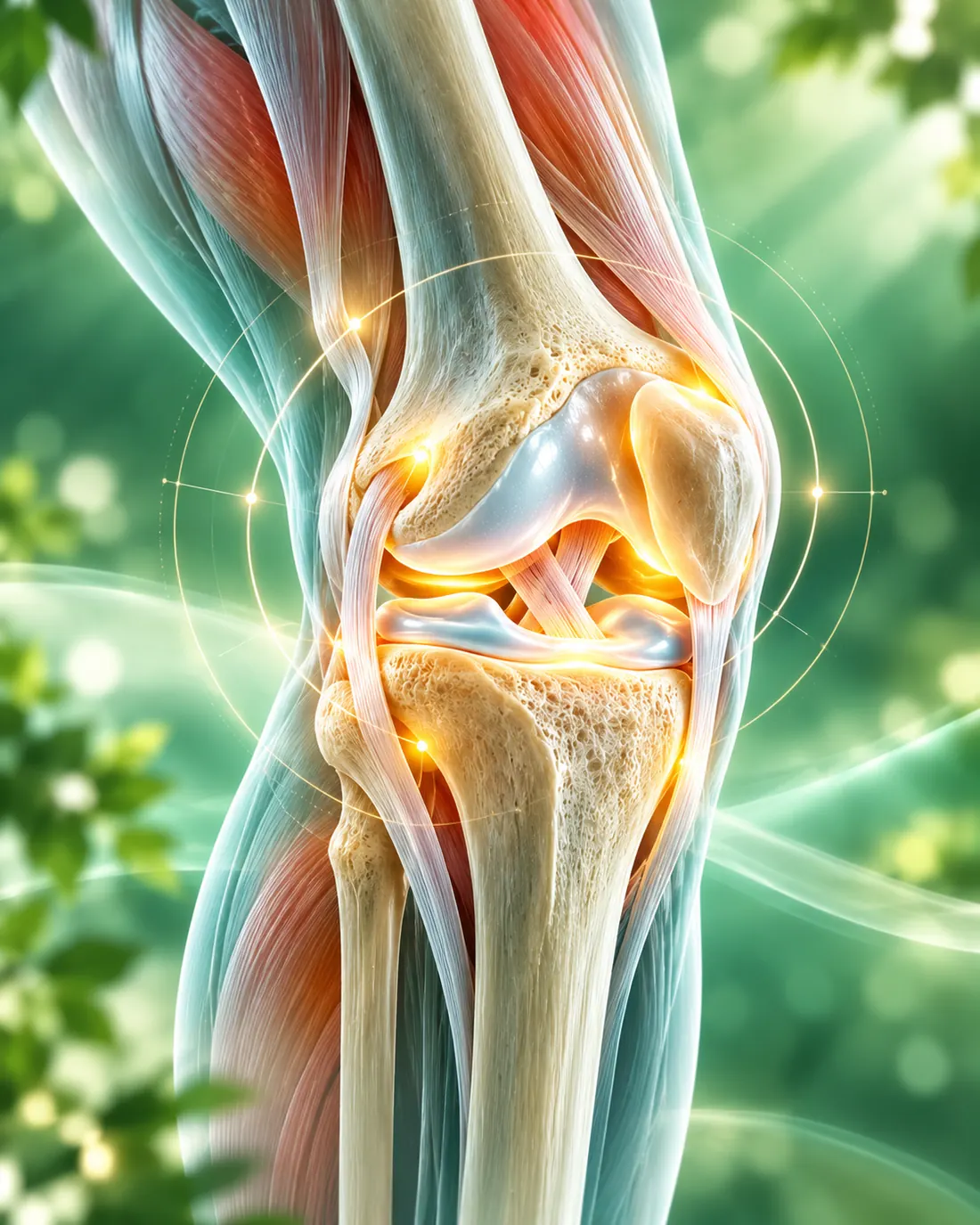
According to the NIAMS: "Osteoarthritis is a joint disease that occurs when the tissues in a joint break down over time", and it is the most common type of arthritis. MedlinePlus says it is a type of arthritis that affects only the joints, most often in the hands, knees, hips, neck and lower back. The CDC describes it as a disease that breaks down one or more joints.
According to the CDC: about 33 million US adults have it, and it is especially common after age 45. This page does not cover figures for the Arab region.
Causes
According to the NIAMS: the joint tissues change and gradually break down over time, "and this is not caused by simple wear and tear of the joints". MedlinePlus says researchers do not know the exact cause and think it is a mix of factors in the body and the environment. The NHS describes the mechanism as breakdown of the protective cartilage at the ends of the bones.
Risk factors
Risk factors according to the NIAMS, MedlinePlus, the CDC and the NHS: advancing age, excess weight or obesity, previous joint injury or surgery, repetitive movements (such as jumping, running, throwing and twisting), joint deformity or poor alignment, family history, and being female, especially after 50. The CDC adds that having the disease in one joint raises the risk of it appearing in another, and the NHS mentions earlier conditions such as rheumatoid arthritis and gout.
Symptoms
According to the NIAMS: pain when using the joint, stiffness that usually lasts less than 30 minutes, swelling in and around the joint, changes in movement, and a feeling of looseness in the joint; pain may worsen at night in advanced stages. MedlinePlus adds that pain usually improves with rest. The NHS mentions tenderness to the touch and a grating or crackling sound on movement, and severity varies widely between people.
How is it diagnosed?
According to the NIAMS: "There is no single test for osteoarthritis". Assessment includes medical history, physical examination, imaging (X-ray and MRI), blood tests to rule out other causes, and joint fluid samples to rule out other causes of pain. The NHS states that a doctor suspects it if the person is aged 45 or over, the pain worsens with use, and morning stiffness is absent or lasts less than 30 minutes.
Treatment
The treatment categories usually used are listed here; this is not a prescription. The doctor chooses the plan according to each person's condition; do not change any medicine or dose without a specialist.
According to the NIAMS: the aims of treatment are to reduce pain, improve joint function, prevent the disease from progressing and maintain quality of life. Methods include exercise (range of motion, stretching, strengthening, water exercise and balance, and low-impact activities such as walking, cycling, swimming and tai chi), weight management, braces or medical footwear, heat and cold therapy, and assistive devices such as a cane.
Medicine categories according to the NIAMS: oral painkillers, oral anti-inflammatories, topical creams or sprays, corticosteroids often given by injection, hyaluronic acid substitutes, and serotonin–norepinephrine reuptake inhibitors. MedlinePlus also mentions complementary treatments such as massage and acupuncture. The category and plan are chosen with the doctor according to your condition, and this page does not cover doses.
Surgery: according to the NIAMS the doctor may recommend it if other treatments do not help, and it includes cutting the bone and partial or total joint replacement. The NHS says surgery may be done to repair, strengthen or replace the damaged joint in severe cases. This page does not cover surgical outcomes or risks.
Prevention
The NHS advises about 150 minutes a week of moderate aerobic activity along with strengthening exercises, losing excess weight, keeping good posture and avoiding staying in one position for long. This page does not cover evidence that this prevents the disease from appearing.
Living with it
The CDC says: "There is no cure for osteoarthritis, but it can be managed effectively", through physical activity, healthy weight, joint protection, developing self-management skills and physiotherapy. The NIAMS mentions heat and cold, assistive devices, avoiding repetitive movements such as repeated bending, supportive footwear and support groups.
When do you need urgent help?
See your doctor within days
- Persistent joint pain, stiffness or swelling: see your primary care provider to confirm the diagnosis and make a plan (according to the NHS). This page does not cover specific emergency signs; if pain suddenly worsens or fever appears with a swollen joint, seek prompt medical assessment (general warning; it does not replace an assessment).5
Educational content only — no diagnosis, and no substitute for a clinician.
Common questions
Is joint stiffness caused by wear and tear alone?
According to the NIAMS, osteoarthritis is not caused by simple wear and tear of the joints, but by a change in joint tissues that develops slowly.1
Does it have a cure?
According to the CDC there is no cure, but it can be managed effectively.4
Do I need tests or X-rays for diagnosis?
There is no single test; diagnosis depends on history and examination, and imaging and tests may be requested to rule out other conditions (NIAMS).2
Questions for your doctor
- Which of my joints are affected, and how severe is it?
- Do I need X-rays or tests to rule out other diseases?
- Which exercises suit me, and do I need physiotherapy?
- Which painkiller categories suit my condition, and what are their risks?
- When would injections or surgery be an option for me?
- How does my weight affect my joints?
References
- 1NIAMS / NIH. Osteoarthritis. www.niams.nih.gov/health-topics/osteoarthritisHealth agencies & guidelines · Accessed 2026-10-06
- 2NIAMS / NIH. Osteoarthritis — Diagnosis, Treatment, and Steps to Take. www.niams.nih.gov/health-topics/osteoarthritis/diagnosis-treatment-and-steps-to-takeHealth agencies & guidelines · Accessed 2026-10-06
- 3MedlinePlus. Osteoarthritis. medlineplus.gov/osteoarthritis.htmlHealth agencies & guidelines · Accessed 2026-10-06
- 4CDC. Osteoarthritis. www.cdc.gov/arthritis/osteoarthritis/index.htmlHealth agencies & guidelines · Accessed 2026-10-06
- 5NHS. Osteoarthritis. www.nhs.uk/conditions/osteoarthritis/Health agencies & guidelines · Accessed 2026-10-06
Review status: Edited content · Last updated:
Change log
- — Page created.
Educational content only — no diagnosis, and no substitute for a clinician.