Condition4 min read
Kidney stones
Kidney stones are hard lumps that form in the kidneys from minerals in the urine. Small ones may pass unnoticed; larger ones can cause severe pain in the side or lower back.
Pain usually starts in the side of the abdomen or lower back and may spread to the groin, and may come with blood in the urine, nausea or fever. Diagnosis includes a urine test, blood tests and a CT scan for adults, or an ultrasound for pregnant women and children under 16.
The NHS lists three treatment categories: pain relief, extracorporeal shock wave lithotripsy (ESWL), and ureteroscopy under general anaesthetic. It details prevention: drinking 2.5–3 litres of water a day for adults, limiting salt, caffeine and alcohol, and keeping up an adequate dietary calcium intake.
In one minute12
- What is it?
- Hard masses that form in the kidneys when levels of certain minerals in the urine rise.
- Who is usually affected?
- Risk rises with low fluid intake, certain diseases and medicines, and family history.
- Acute or chronic?
- Small ones may pass on their own; they can recur.
- Main symptoms
- Pain in the side or lower back that spreads to the groin, blood in the urine, nausea.
- Red flags?
- Severe pain or fever calls for urgent medical attention.
- Preventable?
- Drinking enough water and adjusting salt, animal protein and oxalates.
What is it?
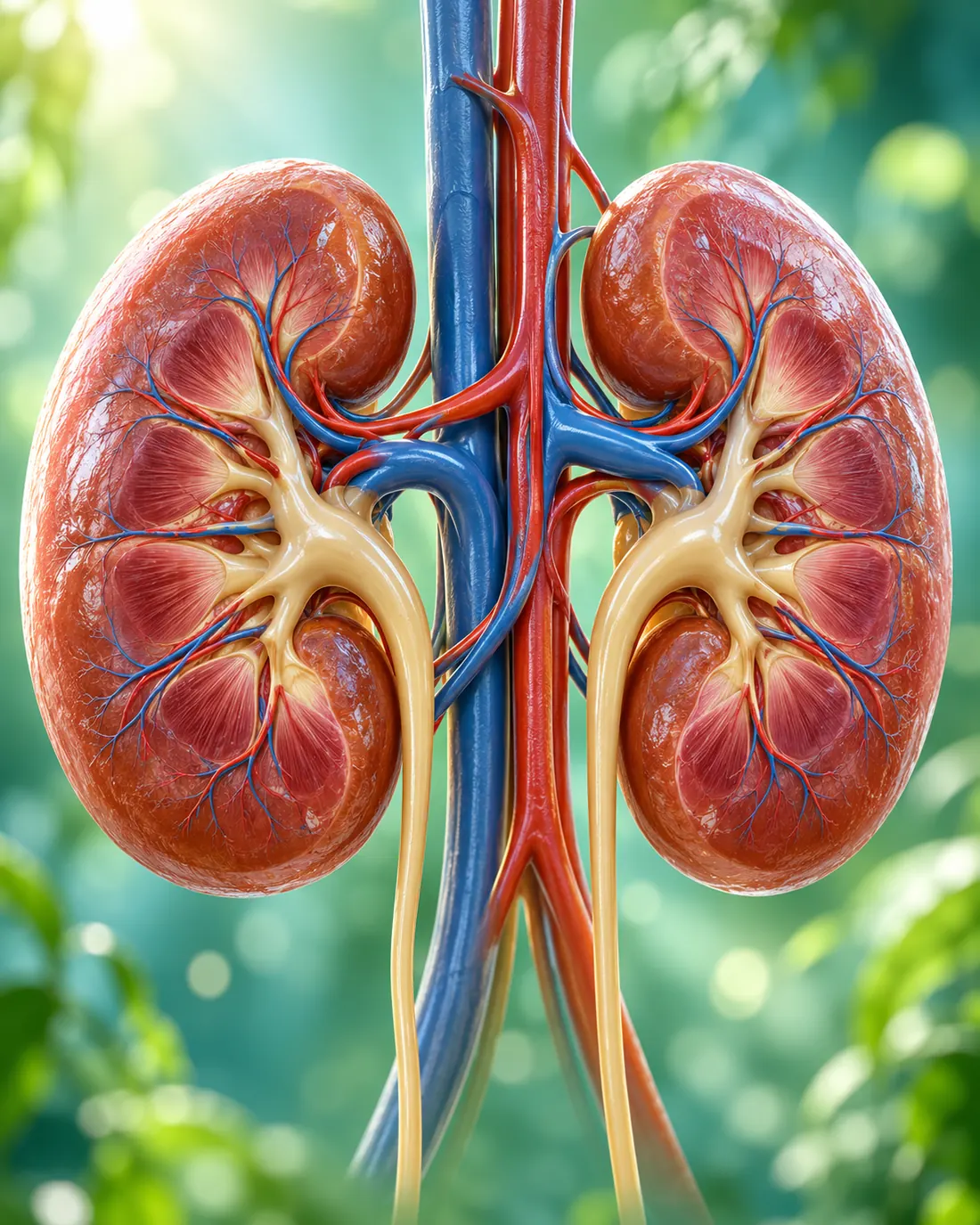
Kidney stones are hard masses that form in one or both kidneys when levels of certain minerals in the urine rise.
Small ones may pass without being noticed, while large ones cause severe pain.
Risk factors
Low fluid intake, certain conditions such as metabolic syndrome, and certain medicines (aspirin, antacids, diuretics, antibiotics). Recurrence is more likely with a diet high in protein and low in fibre, low physical activity, repeated infections, family history, and previous stones.
Symptoms
Pain that starts in the side of the abdomen or lower back and may spread to the groin or genitals, with fever, nausea, vomiting, frequent urination and cloudy urine. The NIDDK mentions sharp pain and bloody urine.
How is it diagnosed?
Medical history and examination; tests may include a urine test, blood tests and a CT scan (for adults) or an ultrasound (for pregnant women and children under 16).
Treatment
The treatment categories usually used are listed here; this is not a prescription. The doctor chooses the plan according to each person's condition; do not change any medicine or dose without a specialist.
Medicines to relieve pain and symptoms, shock wave lithotripsy (ESWL), and ureteroscopy under general anaesthetic. The NIDDK refers to removing or breaking up the stone, and to prevention with water, diet and medicine.
Prevention
According to the NHS: drinking 2.5–3 litres of water a day for adults, adding lemon juice, limiting salt, caffeine and alcohol, and getting enough dietary calcium. According to the NIDDK: enough water and adjusting sodium, animal protein, calcium and oxalate.
When do you need urgent help?
Get urgent care today
- Severe pain or fever with suspected stones: call emergency medical services or request an urgent appointment.1
See your doctor within days
Educational content only — no diagnosis, and no substitute for a clinician.
Common questions
Do all kidney stones cause pain?
No. The NHS notes that small stones may pass without the person noticing, while large ones cause severe pain.1
Questions for your doctor
- What type and size is my stone, and will it pass on its own?
- Do I need lithotripsy or ureteroscopy?
- How much water is right for me?
- Does any medicine I take raise the risk of stones?
- Do I need tests to find the cause of recurrence?
References
- 1NHS. Kidney stones. www.nhs.uk/conditions/kidney-stones/Health agencies & guidelines · Accessed 2026-10-05
- 2NIDDK / NIH. Kidney Stones. www.niddk.nih.gov/health-information/urologic-diseases/kidney-stonesHealth agencies & guidelines · Accessed 2026-10-04
Review status: Edited content · Last updated:
Change log
- — Page created.
Educational content only — no diagnosis, and no substitute for a clinician.